

What Pride Really Means: A Billings Therapist Reflects on Identity, Coming Out, and Community
Kendra Herlyn, LCPC and Clinical Director at Brighter Sky Counseling in Billings, MT, shares a personal reflection on PRIDE, the coming out process, and why affirming support changes everything.
With PRIDE approaching, I've found myself sitting with something I've wanted to say for a while. This is personal. And I think that's exactly why it matters.
One of the values that means the most to me, both as a member of the LGBTQIA+ community and as a clinician, is helping people feel heard, seen, and valued. So many people spend years questioning whether they belong, whether they're too much, whether it's safe to be fully themselves. I know that feeling. It's part of why this work and this community matter as much to they do to me.
What "coming out" actually involves
Being "out" is often described as accepting and openly sharing your sexual orientation or gender identity. But what that process looks like varies enormously from person to person.
There are some common threads, though: accepting your own identity, deciding who to tell and when, weighing safety, and finding people who will show up for you. For people outside the LGBTQIA+ community, some of those steps might sound surprising. For those of us inside it, they're deeply familiar.
Two pieces of that process I want to talk about are safety and choosing who you tell first.
Deciding who to come out to can feel overwhelming in a way that's hard to explain. The questions running through your head, "Who can I trust with this part of myself? How will they react?", carry real weight. The responses we receive shape whether we feel safe enough to keep going. When someone meets that disclosure with judgment or discomfort, it makes the world feel smaller. It makes vulnerability harder the next time.
A lot of LGBTQIA+ people are doing a constant, quiet calculation: Is this space safe? How will I be read here? What happens if I'm honest? This kind of ongoing awareness runs in the background of daily life in ways many people outside the community may never notice. And yes, it's exhausting.
That's why support systems matter so much. Being surrounded by people who actually affirm who you are, not just tolerate it, creates room for healing, confidence, and showing up as yourself. No one should have to carry their identity alone.
Coming out isn't a one-time conversation
There's an assumption that coming out happens once. It doesn't. Every new job, new relationship, new social context can bring another decision point: do I explain? Do I correct this assumption? Do I stay quiet right now because it doesn't feel safe?
Most straight people never have to verbally account for their identity in this way. It's assumed and accepted without question. For many LGBTQIA+ people, there's a repeated process of deciding how much to share, when, and with whom. Each individual moment might seem small. Over time, they add up.
Why PRIDE means something to me personally
PRIDE matters to me because it stands for authenticity and community. It's a reminder that people deserve to exist fully as themselves without shame, fear, or the pressure to hide.
I've seen, both in my own life and in my work as a therapist, what happens when people feel genuinely seen. I've also seen what happens when they don't. That's why PRIDE isn't just about celebration or a single month on the calendar. It's about visibility for people who have spent years feeling like they had none. It creates space for people to feel less alone.
Personally, PRIDE is also about honoring the full reality of what many LGBTQIA+ people carry: the safety assessments, the repeated disclosures, the fear of rejection, the moments of joy and connection despite all of it. The people who came before us fought for the right to be visible. That deserves more than a passing acknowledgment.
The most meaningful part of PRIDE, for me, is the reminder that people thrive when they're allowed to be themselves. They heal when they're surrounded by genuine acceptance.
If you're still figuring out your identity, questioning where you belong, or feeling afraid to be fully yourself, I want you to know: you are not alone. Your identity is valid. Your experiences matter. You deserve spaces where you feel safe, accepted, and celebrated for exactly who you are.
And if you're someone outside of the LGBTQIA+ community, I'd ask you to lead with curiosity and openness. Small acts of support and understanding can have a lasting impact on someone who may already be carrying more than you know.
PRIDE is about creating a world where people can live authentically and safely. That's worth protecting year-round.
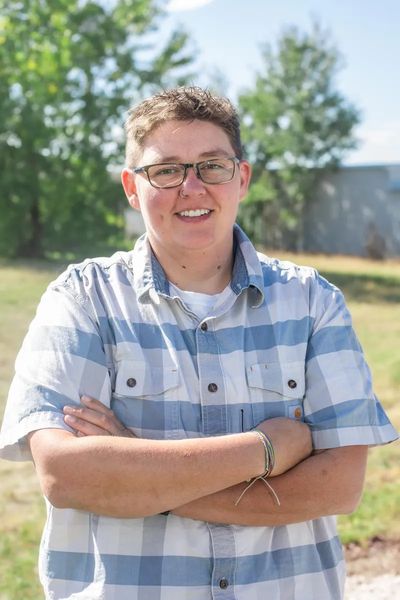
I'm Kendra Herlyn, a Licensed Clinical Professional Counselor with a decade of experience working with individuals and families across a wide range of settings, including in-home, school-based, outpatient, and residential care. My approach is grounded in compassion, empathy, and respect, and I believe the therapeutic relationship itself is central to healing. In our work together, you'll have space to talk openly about trauma, anxiety, fear, and relational challenges at whatever pace feels right for you. I meet each person where they are and work collaboratively to find approaches that fit their life, not a template.
Full profileReady to take the next step?
Our team in Billings is here to help — in person or via telehealth anywhere in Montana.

Frequently asked questions about LGBTQIA+ affirming therapy
What is LGBTQIA+ affirming therapy? Affirming therapy means working with a clinician who actively supports and validates your sexual orientation and gender identity rather than treating it as a problem to be addressed or changed. An affirming therapist creates a space where you don't have to explain or justify who you are.
Is it important to see a therapist who is part of the LGBTQIA+ community? Not necessarily. What matters most is that your therapist is genuinely affirming, knowledgeable about the specific experiences and stressors LGBTQIA+ individuals face, and someone you feel safe being honest with. At Brighter Sky Counseling, we offer LGBTQIA+ therapy for adults and teens in Billings and across Montana via telehealth.
What if I'm not ready to come out but I want support? You don't have to be fully "out" to benefit from therapy. Many people come to therapy during the questioning phase, before they've told anyone else. That's a completely valid place to start. Sessions are confidential, and you can share as much or as little as you're comfortable with.
Does Brighter Sky Counseling offer telehealth for LGBTQIA+ clients outside of Billings? Yes. We offer telehealth therapy throughout Montana, so clients in smaller communities or rural areas can access affirming care without traveling. We also offer individual therapy for adults and therapy for teens both in person and remotely.
If you're looking for an affirming therapist in Billings or anywhere in Montana, we'd love to connect. Reach out through our contact page to get matched with someone on our team.