
What "I'm So OCD" Gets Wrong About OCD
"I'm so OCD" is everywhere, and it rarely describes the real thing. A Billings, MT therapist explains how the phrase became everyday slang, how it stereotypes people with OCD, and what OCD actually looks like.

You've probably heard someone say it, or said it yourself. A friend straightens the picture frames at a party and laughs, "Sorry, I'm so OCD." A coworker color-codes her calendar and calls it her "OCD side." It's one of the most common mental health phrases in everyday conversation, and it rarely describes obsessive-compulsive disorder.
OCD is a mental health condition that affects about 1 in 40 adults. It involves unwanted, distressing thoughts and the rituals people feel driven to perform to quiet them. When the phrase becomes shorthand for being tidy, it shapes how everyone else understands the condition. That makes life harder for the people who actually live with it.
As a therapist and the owner of Brighter Sky Counseling in Billings, MT, I want to look at where these phrases come from, why they stick, and how a harmless-sounding joke can turn into a stereotype.
What OCD actually looks like
When most people say "I'm so OCD," they mean they like order. They alphabetize the spice rack or feel a small itch when the towels hang unevenly. Those are preferences, and they usually feel good. If you skip lining up your pens one day, your afternoon goes on just fine.
Obsessive-compulsive disorder has two parts. Obsessions are intrusive thoughts, images, or urges that show up uninvited and cause intense anxiety, guilt, or disgust. Compulsions are the things a person does, physically or in their head, to make that distress go away or to prevent something bad from happening.
Picture a new parent who has a sudden, horrifying image of hurting their baby. They love their child, and the thought terrifies them because it goes against everything they value. So they start avoiding the kitchen knives, asking their partner to handle bath time, and replaying the thought for hours to make sure it doesn't mean anything. Or picture a college student who checks the stove 25 times before leaving the apartment and is still late to class because the doubt keeps coming back.
OCD can center on contamination, relationships, sexuality, religion or morality, or a need for things to feel "just right." The pattern stays the same. A fear grabs hold, a ritual brings a few minutes of relief, and the fear comes back stronger. Most people with OCD know their fears don't quite make sense, and that awareness can make the experience even lonelier.
A preference brings a small reward. OCD can feel like being trapped by your own mind.
How "I'm so OCD" became part of everyday language
The phrase spread the way a lot of slang does. It's short and catchy, and it seems to name something relatable. For years, TV characters with neat-freak quirks played OCD for laughs. Holiday mugs and T-shirts turn the letters into puns. On social media, #OCD gets tagged under photos of perfectly arranged pantries.
Researchers have tracked this. A 2019 study of Twitter posts compared five mental health conditions and five physical illnesses, and OCD was trivialized more than any of the other nine.
Most people who use the phrase mean no harm. Language becomes culture through repetition. Nobody decided on purpose that OCD would mean "organized." It happened one joke at a time.
How everyday phrases quietly stereotype people with OCD
A stereotype can do real damage simply by being narrow. When the only picture of OCD most people carry is a tidy desk, everyone who doesn't fit that picture gets lost.
It turns a serious condition into a personality quirk
When OCD becomes an adjective, it starts to sound like a cute trait, and real suffering gets easier to dismiss. Someone who spends three hours a night on checking rituals is living with something very different from someone who likes clean counters.
It makes it harder to speak up
Imagine finally working up the courage to tell a friend you have OCD and hearing, "Oh, me too, I can't stand a messy car." Researchers who study OCD stigma have found it affects whether people share their symptoms with friends, family, and even mental health providers.
It hides the forms of OCD people fear most
As a clinician, this is the part that worries me most. If you believe OCD means cleanliness, and your mind keeps throwing violent, sexual, or blasphemous thoughts at you, you may never connect it to OCD. You might decide something is deeply wrong with you and keep it secret. In one study, even trained counselors showed more stigma toward OCD symptoms involving sexual and violent thoughts.
It can delay treatment
According to the International OCD Foundation, adults with OCD report it took an average of 7 years to find effective treatment. Kids live with symptoms for about two and a half years before a mental health professional assesses them. Misunderstanding is part of that gap. People can't ask for help with something they don't recognize.
What to say instead
Saying what you mean is the simplest fix. "I like things organized." "I'm particular about my desk." "That's so satisfying." Those phrases are more accurate, and they leave the word OCD for the people who need it to describe a real condition.
Try this week: notice how often you hear the phrase, from coworkers, on social media, or from yourself. You don't need to correct anyone. Noticing is where the change starts.
If someone tells you they have OCD, try curiosity. Ask what it's like for them. Their answer will probably surprise you.
What if the real description sounds like you?
If parts of this post felt uncomfortably familiar, you're in good company, and those thoughts don't make you dangerous or broken. OCD is very treatable. The approach with the strongest research behind it is exposure and response prevention (ERP), a form of cognitive behavioral therapy that helps you face fears gradually without falling back on rituals. Medication helps some people too.
At Brighter Sky Counseling, our anxiety therapy is a good place to start, and telehealth means you can meet with a therapist from anywhere in Montana. When you reach out, mention that OCD might be part of what's going on so we can match you with a clinician who fits.
We like to say we all could use a therapist. That includes the person quietly counting, checking, or replaying thoughts no one else knows about. Whenever you're ready, we're here.
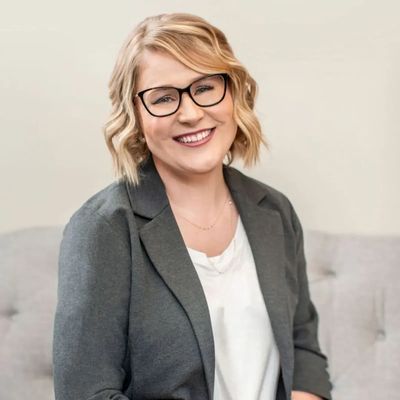
Erin Bratsky is the owner and founder of Brighter Sky Counseling in Billings, Montana. She is a licensed clinical professional counselor who works with adults and leads the practice’s team of clinicians. Erin writes about mental health with the same warmth and plain talk she brings to the room.
Meet ErinReady to take the next step?
Our team in Billings is here to help, in person or by telehealth anywhere in Montana.
If you or someone you love is in crisis, call or text 988, the Suicide & Crisis Lifeline, available 24/7. In an emergency, call 911.