
What to Say to Someone Who Might Be Suicidal (and What Not to Say)
Owner and therapist Erin Bratsky, MSW, LCPC, of Brighter Sky Counseling in Billings, MT, walks you through how to talk to a loved one you are worried about. You do not need the perfect words, you need to show up.
If you think someone you love might be suicidal, the most important thing you can do is ask them directly, then listen without rushing to fix it. You do not need the perfect words. You need to stay calm, stay present, and make it clear you are not going anywhere. And no, asking someone whether they are thinking about suicide does not put the idea in their head. Research is clear on this. Asking usually brings relief, because it tells the person they are not carrying it alone anymore.
I have been a therapist in Billings for years, and I have volunteered with the American Foundation for Suicide Prevention for the last 10. In both roles I hear the same worry over and over: "I was scared I would say the wrong thing, so I said nothing." That fear is understandable. It is also the one thing we most need to move past.
The wrong thing is usually saying nothing
Most people freeze because they are afraid of making it worse. But silence has its own message. When we avoid the subject, the person struggling often reads it as proof that their pain is too much for anyone to handle. You do not have to be a counselor to change that. You just have to be willing to have an honest, uncomfortable conversation.
Ask the question plainly
Vague questions get vague answers. "You doing okay?" is easy to deflect. Instead, ask what you actually mean:
"Are you thinking about suicide?"
"Are you thinking about ending your life?"
It feels blunt. Say it anyway. Being direct signals that you can handle the real answer, which makes it safer for them to tell you the truth. If the answer is yes, stay steady. Your calm tells them this is something that can be talked about, not something that makes you back away.
What to say
A few things that genuinely help:
"I'm really glad you told me. That took a lot."
"You don't have to have this figured out right now. I'm here."
"I care about you, and I want to help you get through this."
"Let's figure out the next step together."
Notice what these have in common. They do not minimize, they do not lecture, and they do not ask the person to reassure you. They keep the focus where it belongs, on the person in front of you.
What not to say
Some responses, even well meant, shut the conversation down:
"You have so much to live for." This can land as an argument against their feelings, which makes people stop talking.
"Think about what this would do to your family." Guilt is not a safety plan, and it often deepens shame.
"It's not that bad" or "Others have it worse." This tells them their pain does not count.
"You're not really going to do that." Dismissing the risk can push someone to prove how serious they are.
You do not have to talk them out of anything. Your job is to listen, take it seriously, and help them connect to real support.
What to do after they open up
Once someone tells you they are struggling, help them take a next step rather than leaving them to do it alone.
Ask directly about safety. If they have a plan or access to means, especially a firearm, help create distance from those means. In Montana, where firearms are involved in a large share of suicide deaths, putting time and space between a person and a method saves lives.
Connect them to help. The 988 Suicide and Crisis Lifeline is free, confidential, and available 24/7. You can call or text 988 from anywhere in the country, and you can do it together, right there with them.
Stay in it. Follow up the next day and the day after. Recovery is not a single conversation. It is showing up again.
If you are supporting someone through ongoing depression or anxiety, professional care matters too. Our team offers depression therapy and anxiety therapy here in Billings, along with individual therapy for adults and telehealth across Montana so distance is never the reason someone goes without help.
Why this hits close to home in Montana
Montana consistently has one of the highest suicide rates in the country. Rural isolation, a culture that prizes toughing it out, long winters, and easy access to firearms all play a part. That means these conversations are not abstract here. They happen in our families, on our ranches, in our schools, and around our kitchen tables. Learning how to have them is one of the most practical things any of us can do for the people we love.
Walk with us: Out of the Darkness, September 20
Every September, our community comes together for the Yellowstone Valley Out of the Darkness Walk, part of the American Foundation for Suicide Prevention. This year the walk is Sunday, September 20, right here in Billings. It is a chance to remember people we have lost, stand alongside those who are struggling, and raise money for suicide prevention research and education. I will be there, as I have been for years, and I would love to see you there too. You can learn more and register at afsp.org/YellowstoneValley.
Frequently asked questions
Does asking about suicide make it more likely?
No. Studies consistently show that asking directly does not increase risk. It tends to reduce distress by giving the person permission to talk openly.
What if they get angry when I ask?
Anger is often fear or shame in disguise. Stay calm and let them know you asked because you care. You do not have to match their intensity.
What if I'm wrong and they weren't thinking about it?
Then you have shown someone you love that you pay attention and you are safe to talk to. There is no downside to that.
When is it an emergency?
If someone is in immediate danger, has a plan and the means, or has already harmed themselves, call 988 or 911, or go to the nearest emergency room. Do not leave them alone.
If someone in your life is struggling, you do not have to have the perfect words or all the answers. You just have to start the conversation. And if you are the one who is struggling, please know that reaching out is a sign of strength, not weakness. Brighter Sky Counseling is here in Billings whenever you are ready. Reach out to us and we will help you find the right therapist.
If you or someone you know is in crisis, call or text 988 for the Suicide and Crisis Lifeline, available 24/7.
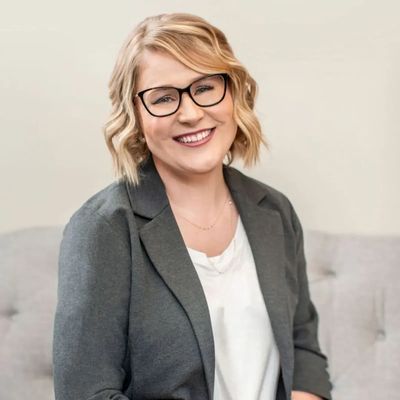
Erin Bratsky is the owner and founder of Brighter Sky Counseling in Billings, Montana. A licensed clinical professional counselor, she helps adults work through anxiety, depression, and hard seasons of life, and she has volunteered with the American Foundation for Suicide Prevention for 10 years. She believes healing often starts with one honest conversation.
Full profileReady to take the next step?
Our team in Billings is here to help, in person or via telehealth anywhere in Montana.